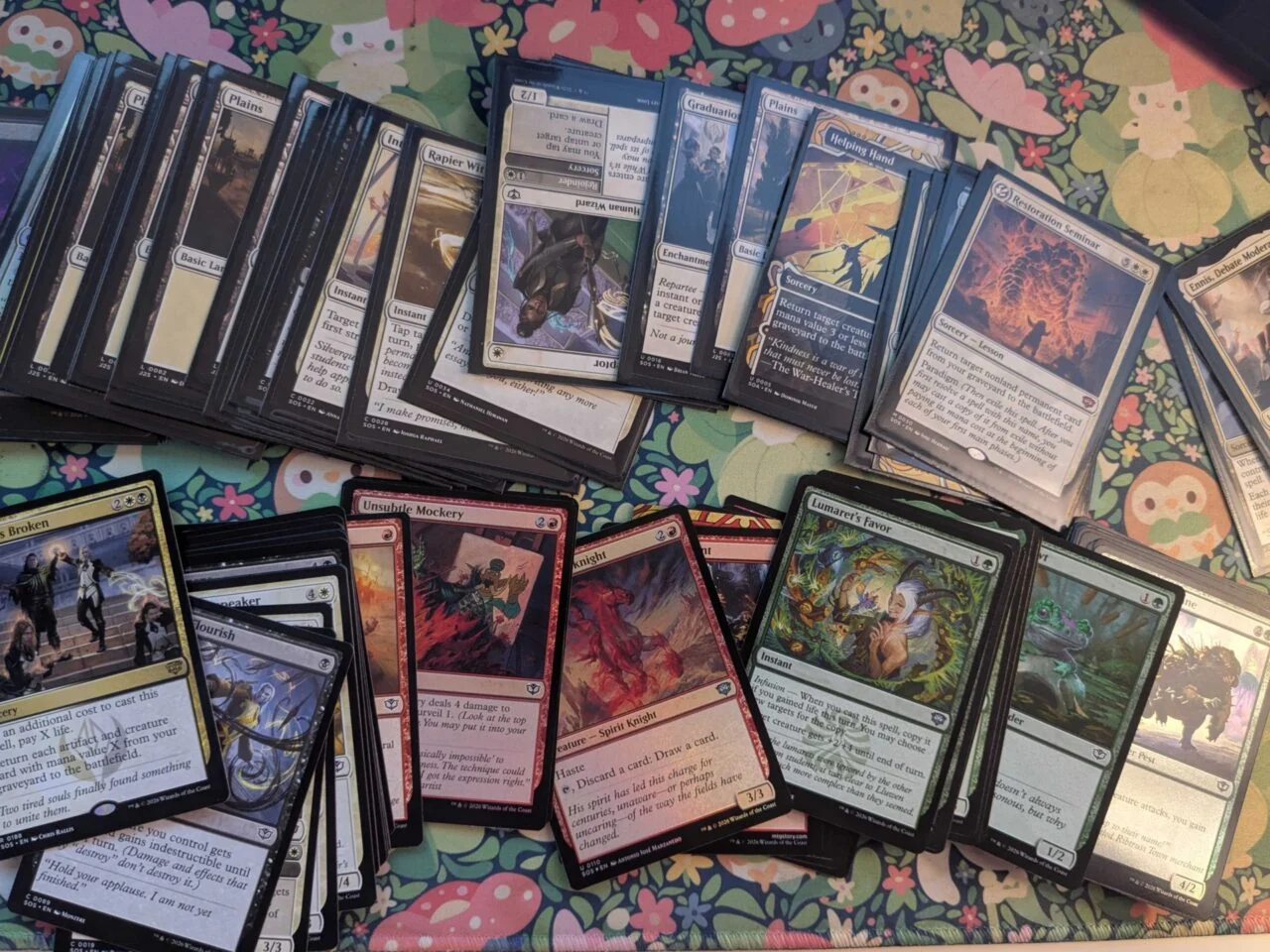
Legal Action Against Counterfeiters
According to reports from Kotaku, Wizards of the Coast has initiated a major lawsuit targeting a business operation involved in printing counterfeit Magic: The Gathering trading cards. The publisher of the globally popular tabletop game has taken firm legal steps to curb the production of unauthorized materials entering the market, specifically targeting prints described as high-quality and realistic proxies. Unauthorized manufacturing of trading cards has long been a concern for physical card games, prompting legal interventions to protect intellectual property rights and maintain the integrity of the secondary market.
In connection with the filing, Wizards of the Coast is seeking $28 million in damages from the defendants. The substantial financial demand reflects the scale of the alleged copyright infringement and the potential economic impact that widespread counterfeit production can impose on authorized products and collectors. Legal representatives for the company are moving forward through the judicial system to address the distribution of these unauthorized physical assets.
Why It Matters
For players, collectors, and retailers within the broader gaming community, the ongoing battle against counterfeit products holds significant weight. Physical trading card games rely heavily on authenticity, rarity, and the controlled distribution of cards to sustain both casual play environments and competitive ecosystems. When high-quality counterfeits infiltrate the market, consumer trust can erode, and the value of legitimate collections risks destabilization. By pursuing legal action and substantial damages, publishers signal a strict zero-tolerance policy toward unauthorized printing operations, which helps preserve the long-term economic and competitive health of the trading card game community.
Industry Context
Counterfeiting operations targeting major franchises like Magic: The Gathering continue to pose challenges for publishers navigating both digital and physical landscapes. While digital platforms mitigate some risks, physical trading card games remain heavily reliant on physical security measures, holograms, and swift legal deterrence. As print technologies become more accessible, companies must actively monitor the marketplace and utilize the courts to protect their proprietary assets from illicit reproduction.