Exploring Middle-earth Lore in Season 3
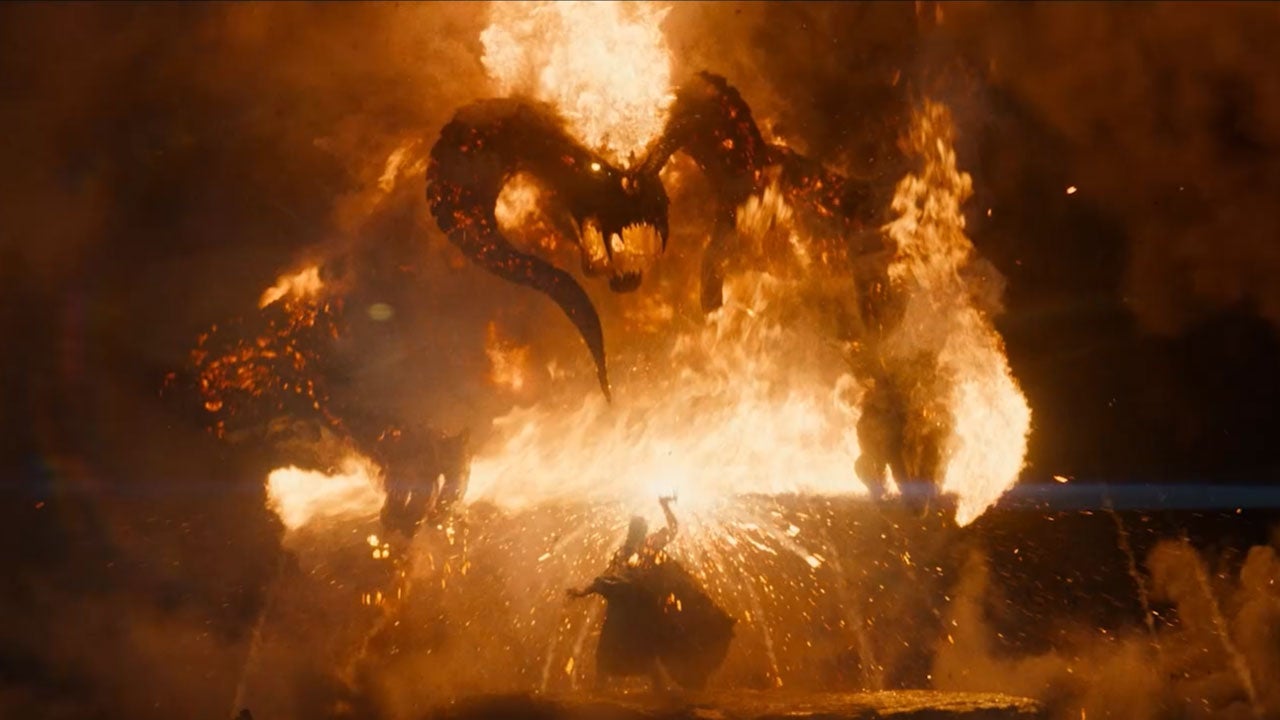
According to reporting by IGN, the recently concluded third season of Prime Video's fantasy television series, The Lord of the Rings: The Rings of Power, has significantly expanded its creature roster and connections to traditional mythology. Spanning Episodes 1 through 8, the latest season introduced prominent staples of the fantasy universe, including Simon Pegg's Balrog, Fell Beasts, Oliphaunts, and Great Eagles. By embracing these creatures, the production leans further into the established iconography and design language recognized from previous cinematic adaptations, specifically referencing the work seen in Peter Jackson's film adaptations.
Why It Matters
Understanding how major intellectual properties adapt foundational literary sources provides essential context for the broader entertainment and gaming landscape. Because high-budget adaptations often influence tie-in media, video game adaptations, and merchandise lines across the global market, tracking these creative decisions helps industry analysts and enthusiasts gauge consumer expectations and faithfulness to original source material. As franchises expand across multiple interactive and linear entertainment mediums, maintaining a cohesive canon remains a central challenge for modern studios.
Creature Design and Canon Connections
The third season aims to bridge gaps for both casual viewers and dedicated canon enthusiasts. While Tolkien scholars and fans examine the deep-cut references, the production team has structured the narrative to explain creatures like the intelligent super-beings known as Balrogs, which historically served Morgoth. By offering explicit insight into these creature executions, the showrunners provide clarity on how modern interpretations align with written literature and established cinematic universes.