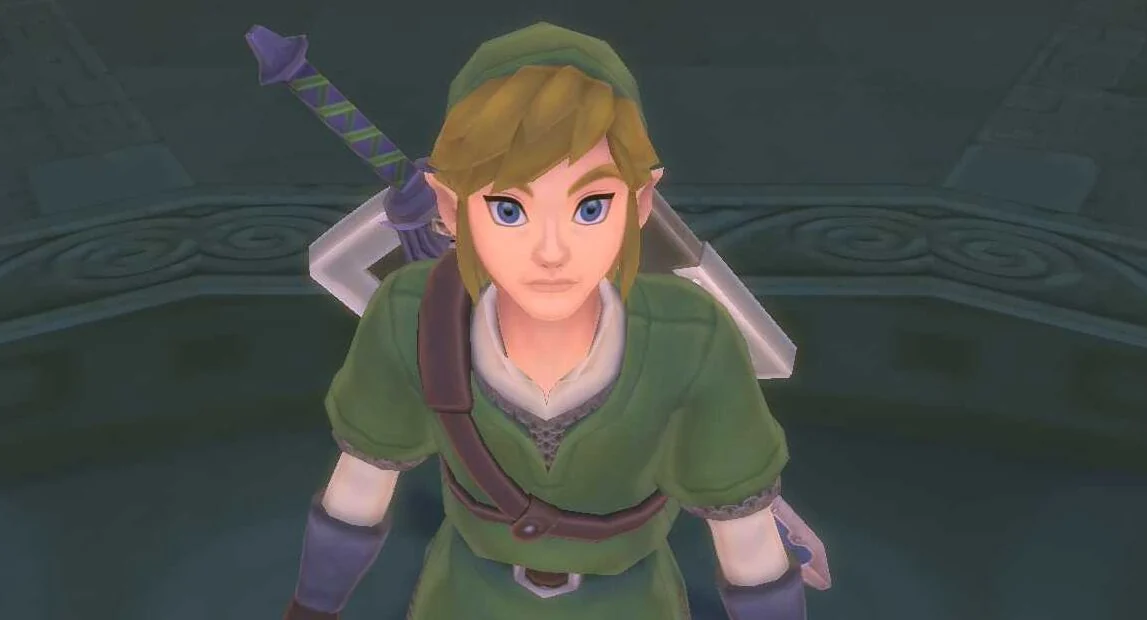
A Fresh Look at a Divisional Title
According to reports and cultural analysis from gaming journalists, The Legend of Zelda: Skyward Sword is long overdue for a thoughtful reevaluation. Initially launched amid mixed discussions regarding its specific control schemes and linear pacing, the title has benefited immensely from the passage of time. With the release of an updated version on the Nintendo Switch, players now have the unique opportunity to experience the adventure with modern hardware improvements that alter how the game feels from moment to moment.
Platform Upgrades and Modern Context
The arrival of the updated Nintendo Switch version addressed several major hurdles that plagued the original hardware release. By streamlining control options and offering refined quality-of-life adjustments, the platform transition allowed the core design elements to shine without unnecessary friction. Critics and enthusiasts revisiting the adventure find that its distinct artistic direction, intricate dungeon design, and ambitious narrative foundation hold up remarkably well within the broader context of the long-running franchise.
Why It Matters
Understanding how older titles age is vital for the global gaming community, as early critical consensus does not always reflect long-term value. Reevaluating divisive projects like The Legend of Zelda: Skyward Sword provides essential context on how game design philosophies evolve over time. For industry analysts and dedicated enthusiasts alike, revisiting past releases through updated hardware builds a more comprehensive picture of how franchises mature, adapt, and eventually find appreciation among wider audiences.
Conclusion
Ultimately, looking back at Skyward Sword demonstrates that patience and platform enhancements can completely shift public perception. As gaming culture continues to embrace retrospective analysis, titles that once faced polarized feedback can finally secure the balanced recognition they deserve within Nintendo's historic catalog.