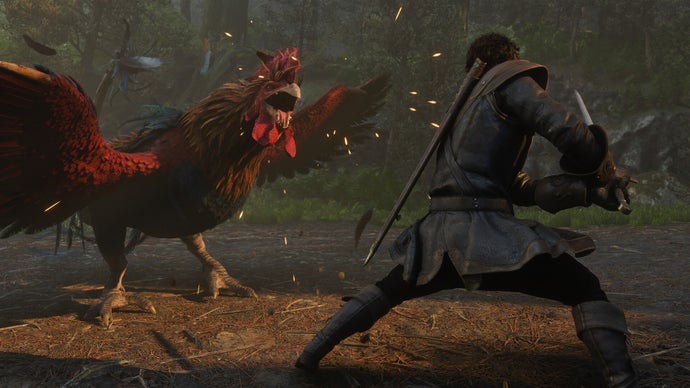
Evolving Beyond the Lionhead Legacy
As development continues on the highly anticipated Fable reboot, the team behind the project has opened up about the creative challenges of reviving a dormant fantasy franchise. According to reporting from Eurogamer, developer Playground Games realized early on that simply replicating the classic formula established by Lionhead Studios would not suffice for contemporary audiences. The original Fable trilogy defined an era of British-humor fantasy gaming, but player expectations and technical standards have shifted dramatically since the heyday of the Xbox 360.
The Witcher 3 as the New Benchmark
The primary catalyst for this shift in design philosophy was the massive critical and commercial success of titles such as The Witcher 3. According to the reporting, massive open-world role-playing experiences completely transformed what players demand from the genre, effectively establishing a new gold standard for storytelling, world design, and player choice. In order for the Fable reboot to remain relevant and compelling in a crowded modern market, Playground Games had to look far beyond the boundaries of Lionhead's original creations and embrace the complexities of modern Western role-playing games.
Why It Matters
Understanding how developers adapt classic IPs provides crucial context for the broader games industry. Franchises returning after lengthy hiatuses face the difficult task of honoring nostalgic elements while competing with modern technical and narrative masterpieces. By recognizing that titles like The Witcher 3 changed the landscape permanently, Playground Games signals a commitment to modernizing the Fable franchise rather than relying solely on past goodwill. This approach directly impacts how players evaluate modern console and PC role-playing releases, ensuring that revived properties must innovate to capture today's gaming audience.