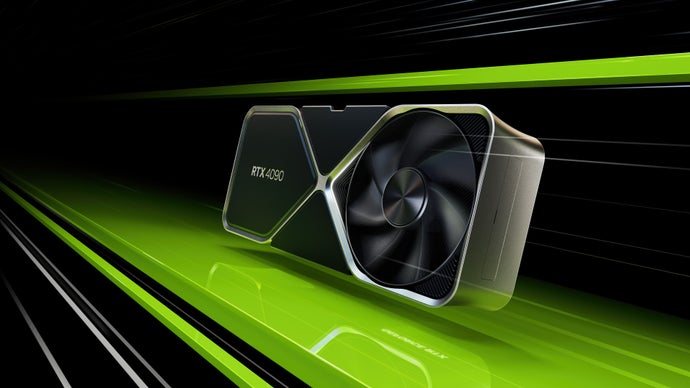
Nvidia GeForce Driver Bug Impacts PC Solid-State Drives
According to reports from Rock Paper Shotgun, late last week brought concerning news for PC gamers regarding Nvidia's latest GeForce graphics card driver, version 621.24. Affected users discovered that the software update was needlessly writing vast amounts of data directly to their computer's solid-state drive.
This unexpected strain on storage hardware raised immediate concerns over potential degradation and shortened hardware lifespans. Because replacing high-performance solid-state components involves a notable financial investment, the community quickly searched for reliable mitigation strategies to protect their systems.
The Hotfix and Recommended Solutions
In response to the storage write issue, Nvidia quickly pushed out a hotfix designed to resolve the excessive data writing. However, technical analysis and community feedback indicate that applying the hotfix may not completely solve the underlying complications introduced by the faulty software update.
Initially, the primary short-term remedy for affected users involved rolling back to the previous stable release, version 621.01. Despite the deployment of the official Nvidia hotfix, early indications suggest that reverting entirely to the older driver version remains the more prudent and reliable course of action for cautious users.
Why It Matters
Storage health is a foundational element of PC gaming hardware stability. When a graphics card driver unexpectedly bombards a solid-state drive with continuous write operations, it introduces premature wear on expensive components. For enthusiasts operating high-end desktop rigs, maintaining drive longevity without unexpected hardware failures is critical. Incidents like this highlight the delicate software-hardware balance on modern PC platforms, underscoring why rapid patching and transparent communication from hardware manufacturers are essential for maintaining consumer trust in peripheral updates.