Exploring Medieval Horror in Werwulf
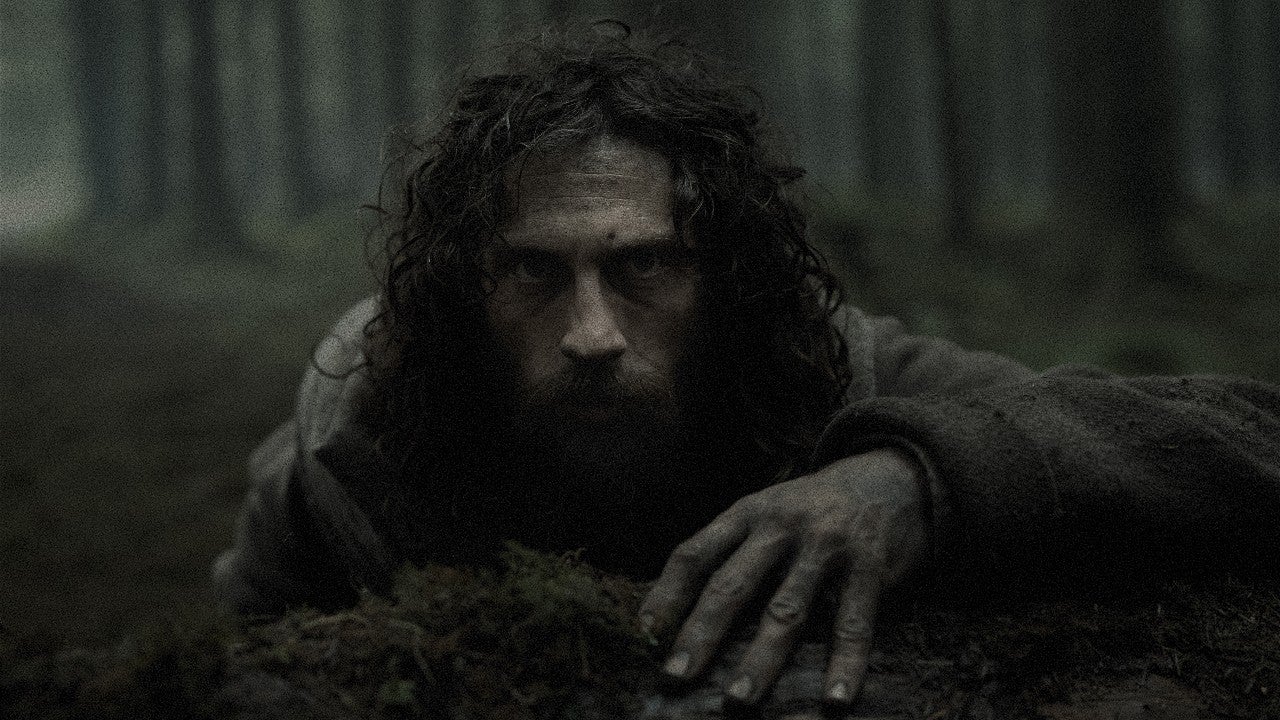
According to recent interviews reported by IGN, acclaimed filmmaker Robert Eggers is setting his sights on medieval folklore for his next cinematic project titled Werwulf. Following the completion of Nosferatu, Eggers sought to create the darkest possible story, leading him to 13th-century England. The narrative centers on a farmer, referred to simply as Man, who suffers a curse forcing him to live as a werewolf.
Eggers explained that the historical and folkloric underpinnings of medieval European werewolf tales heavily influenced the tone of the production. Because alleged werewolf behavior involved extreme and taboo acts of violence that contemporary culture refused to attribute to humans, society branded them as beasts. Eggers noted that this historical brutality made the creature an ideal fit for a grim narrative.
Behind the Scenes and Visual Tone
The bleak atmosphere of the project is so pronounced that long-time collaborators have expressed shock at its severity. Eggers recalled that his cinematographer, Jarin Blaschke, reacted to an early draft of the script by asking if the story took place in hell. Eggers and Blaschke share a professional history that extends all the way back to the director's 2015 feature film debut, The Witch.
Why It Matters
For entertainment enthusiasts and fans of dark storytelling, understanding the creative motivations behind high-profile directors provides deeper context into how historical folklore adapts into modern horror media. While traditional horror mediums often span multiple entertainment formats including video games and cinema, insights from creators like Eggers highlight the dedication to grim realism, historical research, and atmospheric tension that shapes dark fantasy and horror genres across the entertainment landscape today.


