Director David Fincher Sparks Debate Over AI in Production
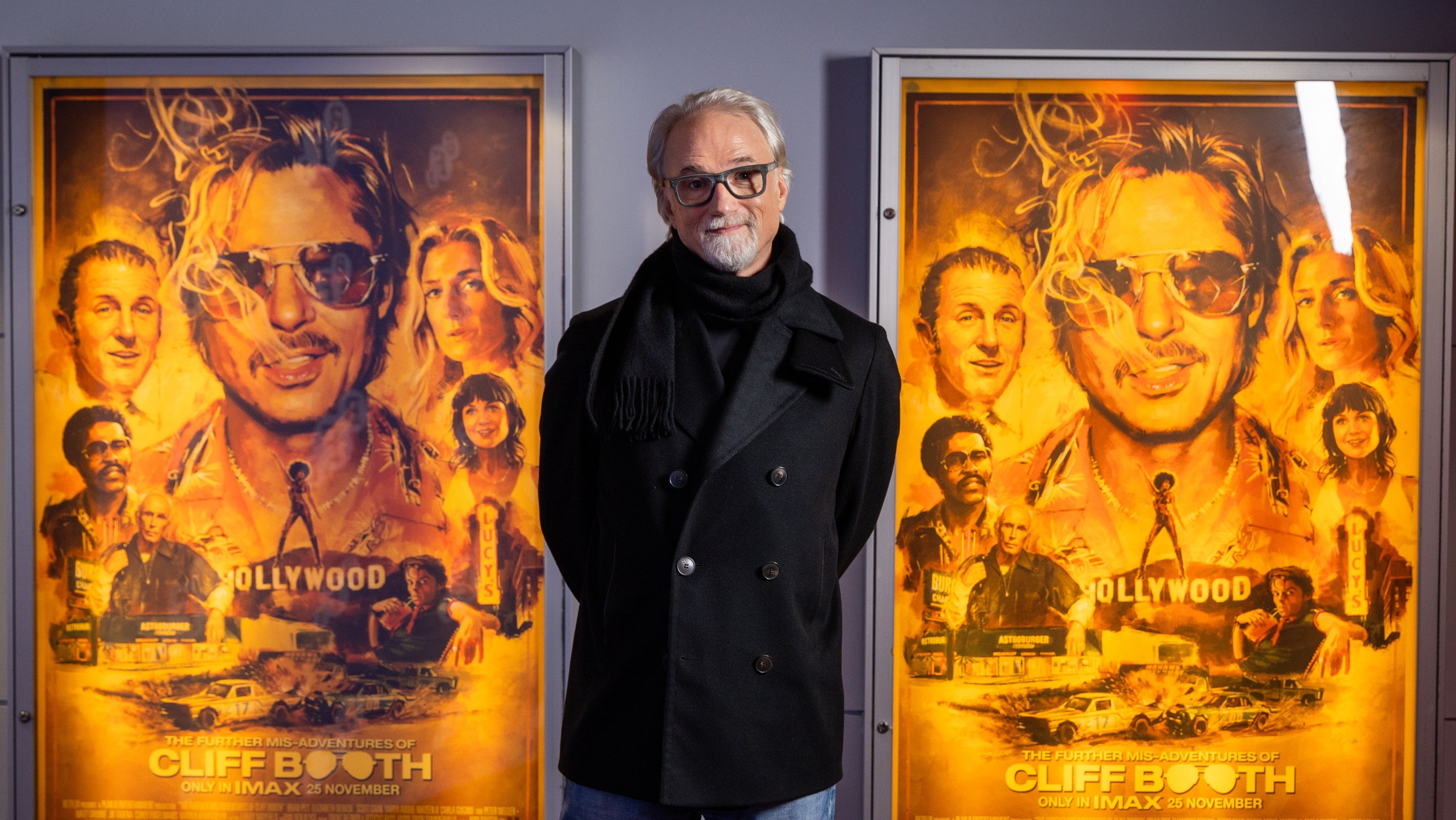
According to reports from IGN, renowned director David Fincher has sparked significant backlash after detailing what critics describe as a dystopian vision for artificial intelligence in the filmmaking process. The controversy centers around the production of the Netflix movie The Further Mis-Adventures of Cliff Booth, a standalone sequel and spinoff to Quentin Tarantino's Once Upon a Time in Hollywood.
The project reunites Fincher with long-term collaborator Brad Pitt, who reprises his role as stuntman Cliff Booth, based on a script written by Tarantino. Fincher, known for directing films such as Seven, Fight Club, and The Curious Case of Benjamin Button, discussed the technical aspects of the production during an appearance on The Ringer’s Big Picture podcast hosted by Sean Fennessey.
During the interview, Fincher confirmed that artificial intelligence tools were employed during post-production. Specifically, the technology was used to synchronize the best take of a line reading with the best physical performance take when the two elements did not naturally align on camera. By utilizing AI to replace dialogue and adjust actors' lip movements, the production team aimed to speed up the workflow by reducing the total number of takes required on set.
Why It Matters
The intersection of artificial intelligence and creative industries remains a contentious topic for audiences, actors, and technicians alike. As prominent directors begin to openly adopt AI-powered tools for tasks traditionally managed through human performance and editing, industry stakeholders are closely monitoring the ethical and professional implications. The backlash faced by Fincher highlights broader anxieties regarding how automation and synthetic media may alter traditional standards of performance, authenticity, and labor across entertainment and digital media sectors.
Future Implications for Digital Production
While proponents argue that these technological applications offer efficiency and creative flexibility during post-production, critics and industry observers continue to raise concerns about transparency and the preservation of authentic performances. As studios evaluate the utility of AI software, public reactions to projects like The Further Mis-Adventures of Cliff Booth will likely influence how filmmakers approach and disclose the use of such tools in upcoming entertainment projects.