Addressing the Book Purists
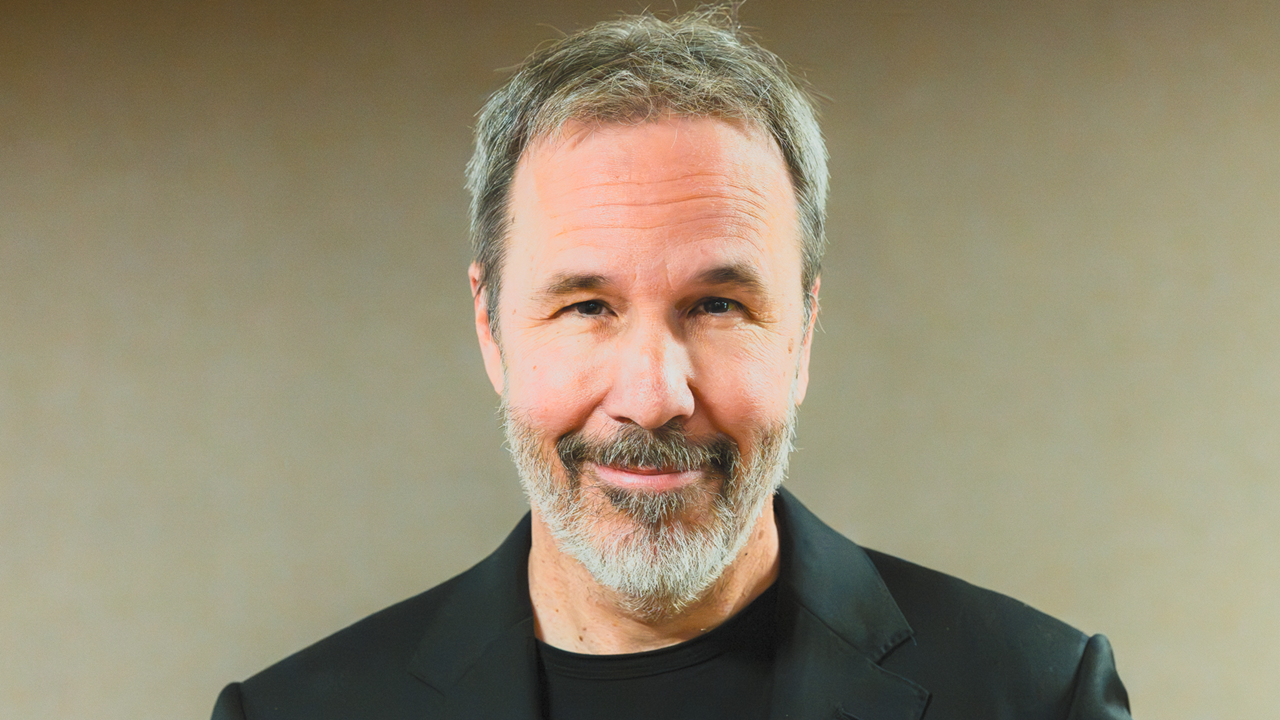
According to reports from IGN and an interview with Time, director Denis Villeneuve has addressed concerns from dedicated fans regarding how his upcoming films adapt Frank Herbert's universe. As Dune: Part 3 prepares for its December premiere, Villeneuve offered clarity to those worried that the story of Paul Atreides and the spice of Arrakis might stray too far from the source material. While the first two films have earned widespread critical acclaim and audience praise, they have also faced persistent criticism from so-called book purists upset by omitted or altered elements from Herbert's original novels.
Villeneuve explained that he does not worry about upsetting these dedicated fans, noting the fundamental differences between mediums. "It is not the book. It is my movie inspired by the book, with tremendous respect," Villeneuve stated in the interview. For the filmmaker, the adaptation process inherently requires transformation, reminding audiences that his cinematic universe exists as a separate artistic interpretation.
Why It Matters
Adaptations of beloved literary properties frequently spark intense debates within enthusiast communities over faithfulness to the original text. Villeneuve's candid commentary highlights the ongoing creative tension between preserving a source material's legacy and executing a distinct cinematic vision. For fans following entertainment and media adaptations, understanding this creative philosophy provides essential context for how complex science fiction narratives are translated from page to screen for global audiences.
Looking Toward the Trilogy Conclusion
The upcoming December release marks the conclusion of Villeneuve's science fiction trilogy, adapting narrative beats from Dune Messiah. As the premiere approaches, discussions surrounding creative liberties, storytelling pacing, and faithfulness to Frank Herbert's legacy continue to circulate among enthusiasts across the entertainment space.