Historical Warnings in Modern Development
Recent gaming news highlights growing concerns over the trajectory of software development as industry veterans weigh in on emerging technologies. According to reports from Kotaku, the creator of the infamous E.T. Atari game has issued a stark warning regarding the proliferation of artificial intelligence. The developer suggested that an unchecked reliance on automated tools could potentially trigger a market collapse comparable to the historic industry crash of 1983.
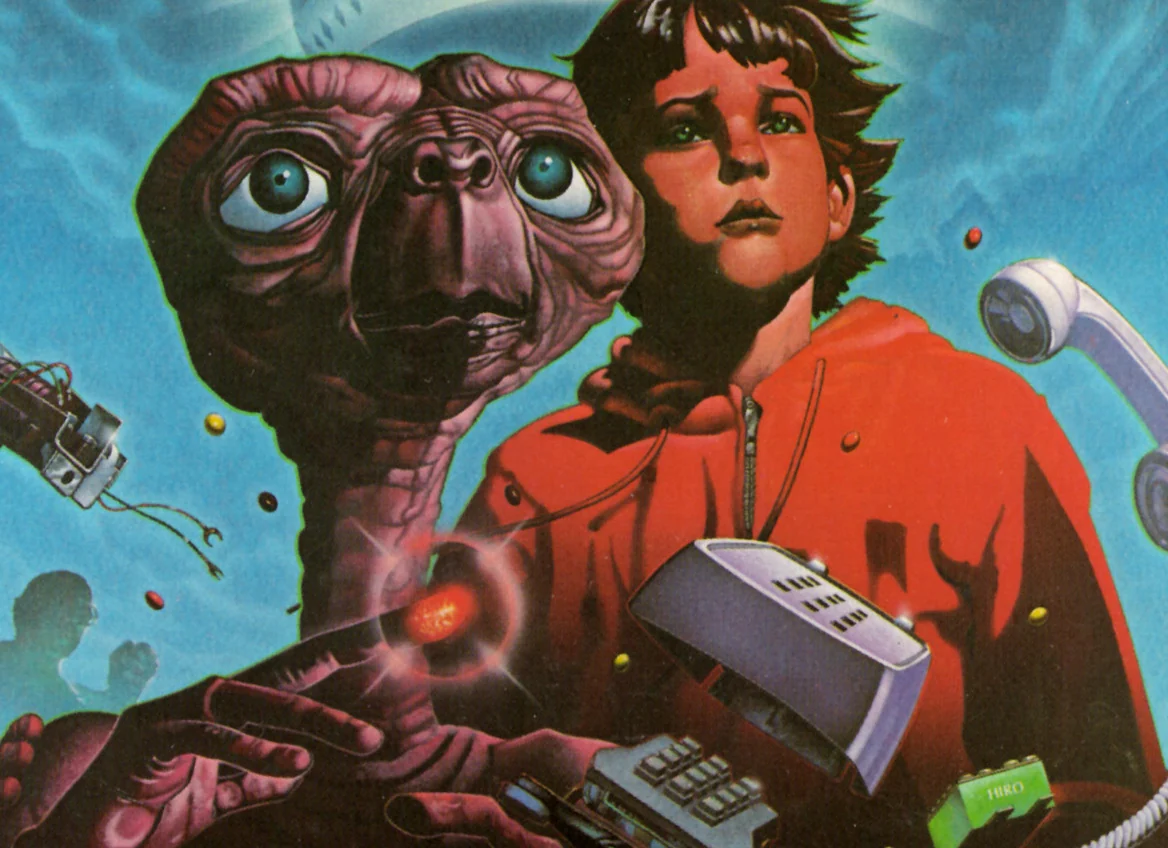
The infamous 1980s video game downturn has long been attributed to a glut of hastily produced software, most notably the rushed Spielberg movie tie-in for the Atari 2600. While that historical crisis was defined by physical overproduction and plummeting consumer confidence, current worries focus on how generative technology might flood digital storefronts with low-effort, automated projects.
Why It Matters
Understanding the parallels between historical market failures and contemporary software trends is vital for both developers and consumers. As studios experiment with artificial intelligence to streamline production, industry veterans warn against sacrificing quality control and creative integrity. If unchecked automation leads to a saturation of low-quality releases, consumer trust could erode, mirroring the structural vulnerabilities that nearly destroyed the commercial video game market over four decades ago.
Looking Ahead
As the debate surrounding automated development continues to evolve, major platforms and independent creators alike must navigate the delicate balance between technological innovation and sustainable practices. Analysts will be watching closely to see if studios heed these cautionary perspectives from developers who lived through the industry's darkest historical era.