Looking Back at the Scrapped Shooter
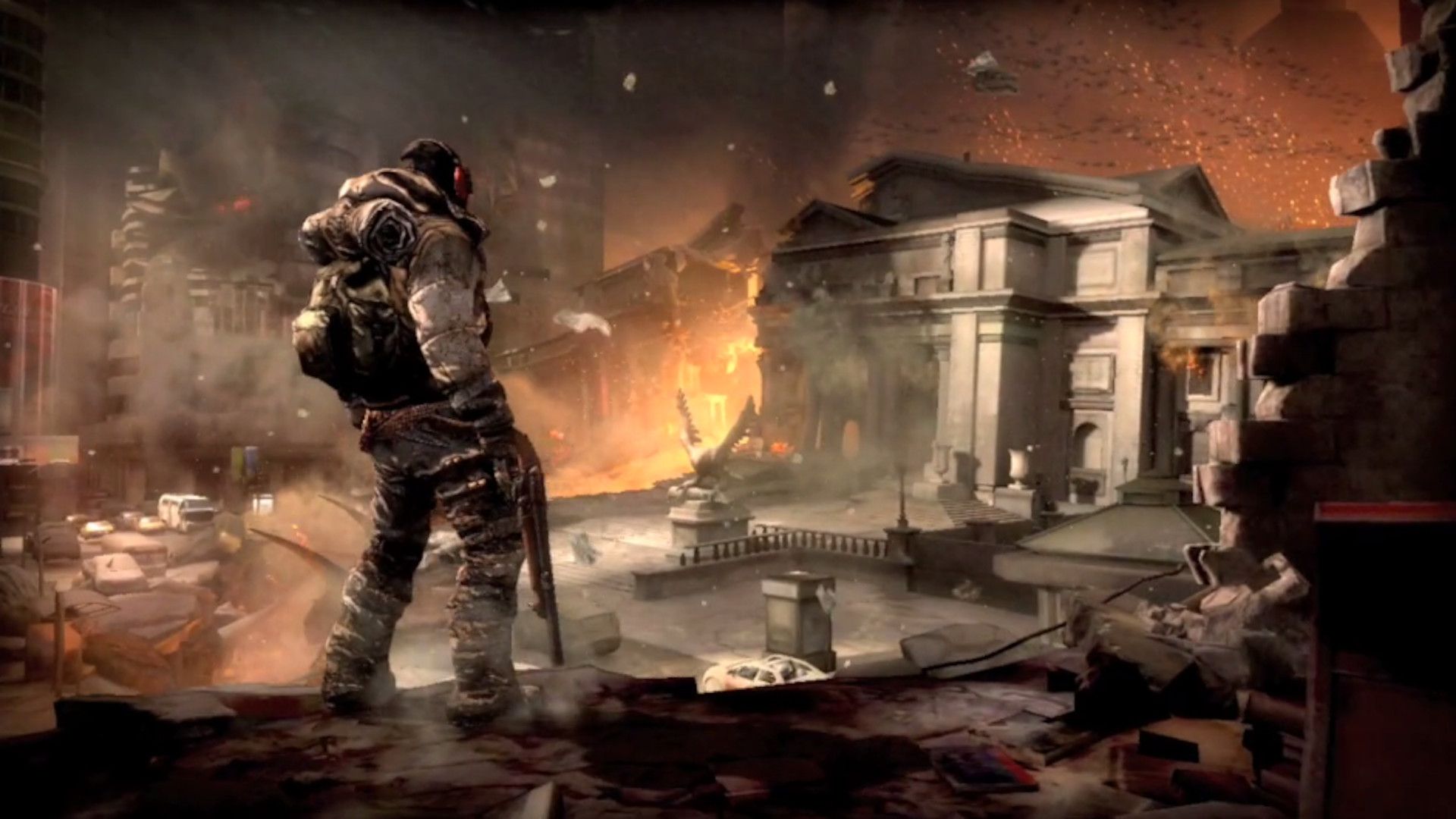
Long before id Software delivered its critically acclaimed 2016 franchise reboot, the studio spent several years heading down a completely different creative path. Between 2008 and 2011, development teams actively worked on Doom 4, a project intended to serve as a direct follow-up to earlier demon-blasters. Mirroring popular first-person shooter trends of that era, the game leaned heavily into contemporary military shooter mechanics before ultimately hitting multiple roadblocks and getting scrapped in favor of the fast-paced, glory-killing direction fans know today.
Despite the eventual cancellation and complete studio reset, the project was far from a total disaster. Speaking in an interview with FRVR, former id Software principal programmer Dustin Land reflected on the ambitious project, sharing that he never believed anything was fundamentally broken with the build. According to Land, the title was genuinely fun to play and possessed plenty of individual merit, yet it ultimately stumbled over a singular identity hurdle.
The Core Identity Crisis
Unlike the hyper-aggressive speed and heavy metal aesthetic of the 2016 revival, Doom 4 set out to deliver a much more grounded, narrative-driven, and spectacle-heavy experience. The development team channeled popular trends seen in concurrent blockbusters like Call of Duty, emphasizing cinematic pacing and scripted encounters. Ultimately, this stylistic pivot created a critical disconnect for the team. The overriding consensus that stalled the release was simple yet profound: the gameplay and tone did not align with what a Doom game needed to be.
Why It Matters
Understanding the developmental history behind cancelled projects offers valuable insight into the high-stakes decision-making processes of major gaming studios. For PC and console enthusiasts, id Software's pivot from the narrative-heavy approach of Doom 4 to the pure, fast-paced action of the 2016 reboot saved a legendary franchise from losing its identity. This behind-the-scenes revelation highlights the delicate balance developers must maintain when trying to modernize classic intellectual properties while respecting the core mechanics that made them iconic in the first place.