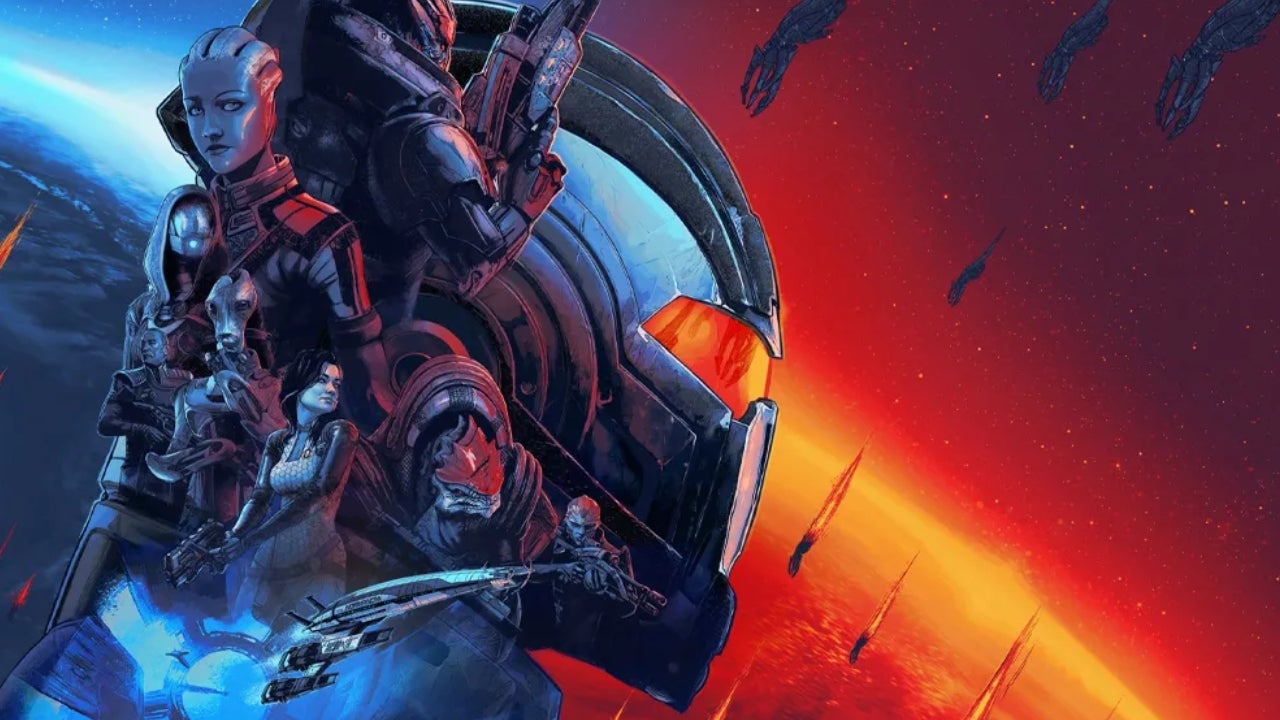
Unresolved Questions in the Galaxy
For more than a decade, gaming enthusiasts have intensely debated how BioWare could effectively reconcile the wildly divergent conclusions of Mass Effect 3. Fans frequently argued over which choices deserved to be established as official canon, particularly proponents of the popular Destroy ending. However, according to reporting from IGN, BioWare had reportedly solved this narrative puzzle before the broader project was ultimately scrapped by Electronic Arts.
Insights from the Writing Team
Speaking during a Reddit fan Q&A session supporting the grassroots Save Mass Effect movement, author and writer Cat Valente provided a bittersweet look behind the scenes. Valente, who penned the Mass Effect: Annihilation novel and spent three years working on the writing team for the unfinished sequel, revealed that the project would have directly addressed the franchise's most contentious cliffhangers. The narrative team had formulated specific plans to clarify both the fallout of the trilogy's conclusion and the final fates of Shepard's loyal squadmates. Despite these creative breakthroughs, strict non-disclosure agreements signed with publisher EA prevent Valente from disclosing the specific plot details or narrative solutions developed during production.
Why It Matters
The revelation offers a fascinating glimpse into the internal development challenges faced by major science-fiction franchises. Mass Effect 3 left an indelible mark on the gaming community due to how its final moments handled player choice and branching paths. Knowing that a dedicated writing team formulated a concrete resolution—only for the project to be canceled alongside studio closures—highlights the fragile nature of long-term franchise planning in the modern gaming industry.
Project Status and Industry Impact
The canceled Mass Effect Universe stands as another example of ambitious storytelling left on the cutting-room floor. While fans continue to rally around the series through movements like Save Mass Effect, the specific narrative threads conceived by Valente and the writing staff may remain permanently hidden behind corporate confidentiality agreements.


