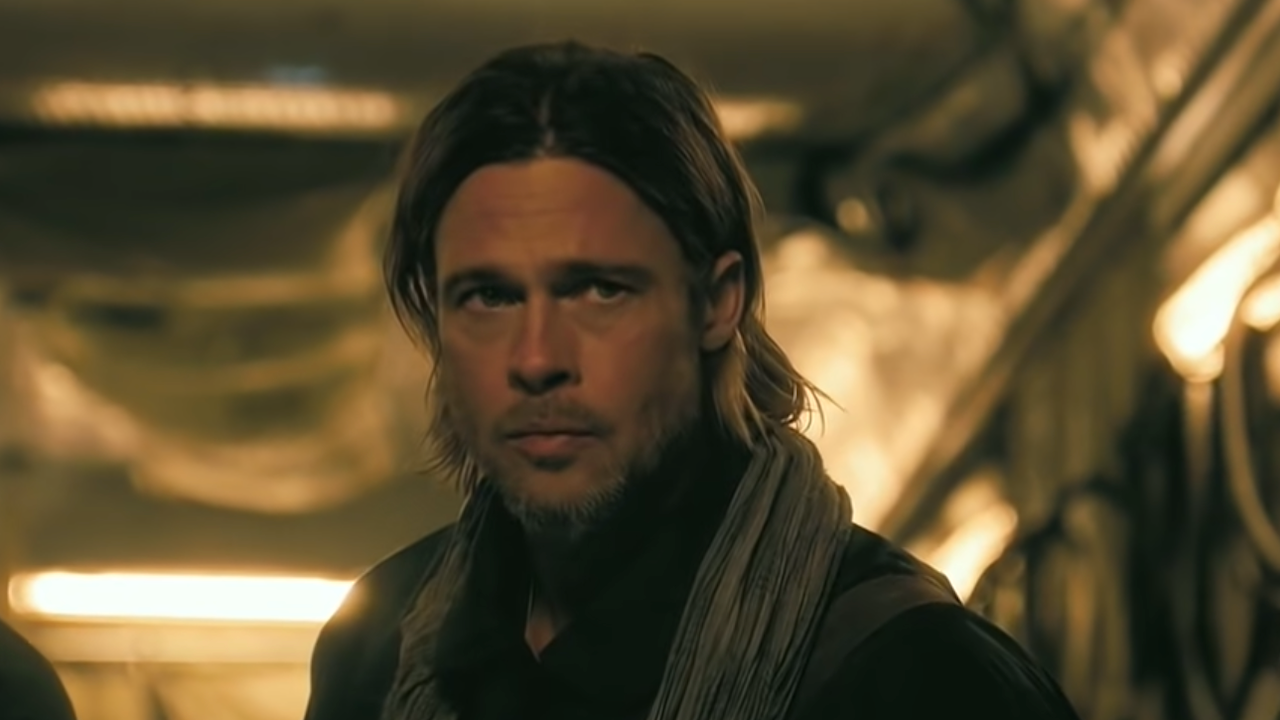
Brad Pitt Details Potential Timeline for World War Z 2
A long-awaited follow-up to the 2013 apocalyptic thriller World War Z may finally be making tangible progress after more than a decade in development hell. According to a report from IGN referencing a recent interview with Collider, actor Brad Pitt provided a promising update on the current state of World War Z 2. Pitt indicated that principal photography on the sequel could potentially begin as early as next year, contingent upon the creative team finalizing a completed script.
The original film, released by Paramount in 2013 with Pitt in the lead role, achieved major commercial success by becoming the highest-grossing zombie feature of all time. While critics noted the movie excelled primarily through select action set pieces and functioned as a reliable crowd-pleaser, establishing a viable follow-up proved difficult for Hollywood executives over the subsequent decade.
Development History and Skydance's New Push
The path toward a second World War Z entry has been marked by significant setbacks. At one point in the project's extended development history, acclaimed director David Fincher was attached to direct the sequel with Pitt returning to star. However, that prospective iteration ultimately fell apart, causing many industry observers to believe the franchise was indefinitely shelved.
The status of the project shifted following a broader initiative by Skydance. As part of a corporate effort to revitalize specific intellectual properties, company leadership made the decision to prioritize a new World War Z feature. Speaking on the current stage of pre-production, Pitt explained that creative personnel are actively refining the story elements. Specifically, he noted that the team is currently "talking zombie logic" and fine-tuning the script to ensure the narrative is ready for filming.
Why It Matters
The renewed effort to produce a World War Z sequel reflects the modern entertainment industry's ongoing emphasis on leveraging established, high-performing franchises. As media platforms and production entities like Skydance evaluate their portfolios, resurrecting proven box-office titles offers recognizable brand power for global audiences. Bringing a decade-old franchise back into active development underscores how high-revenue intellectual property retains long-term value despite past production stalls.


