Exploring Novel Connections in Blade Runner 2099
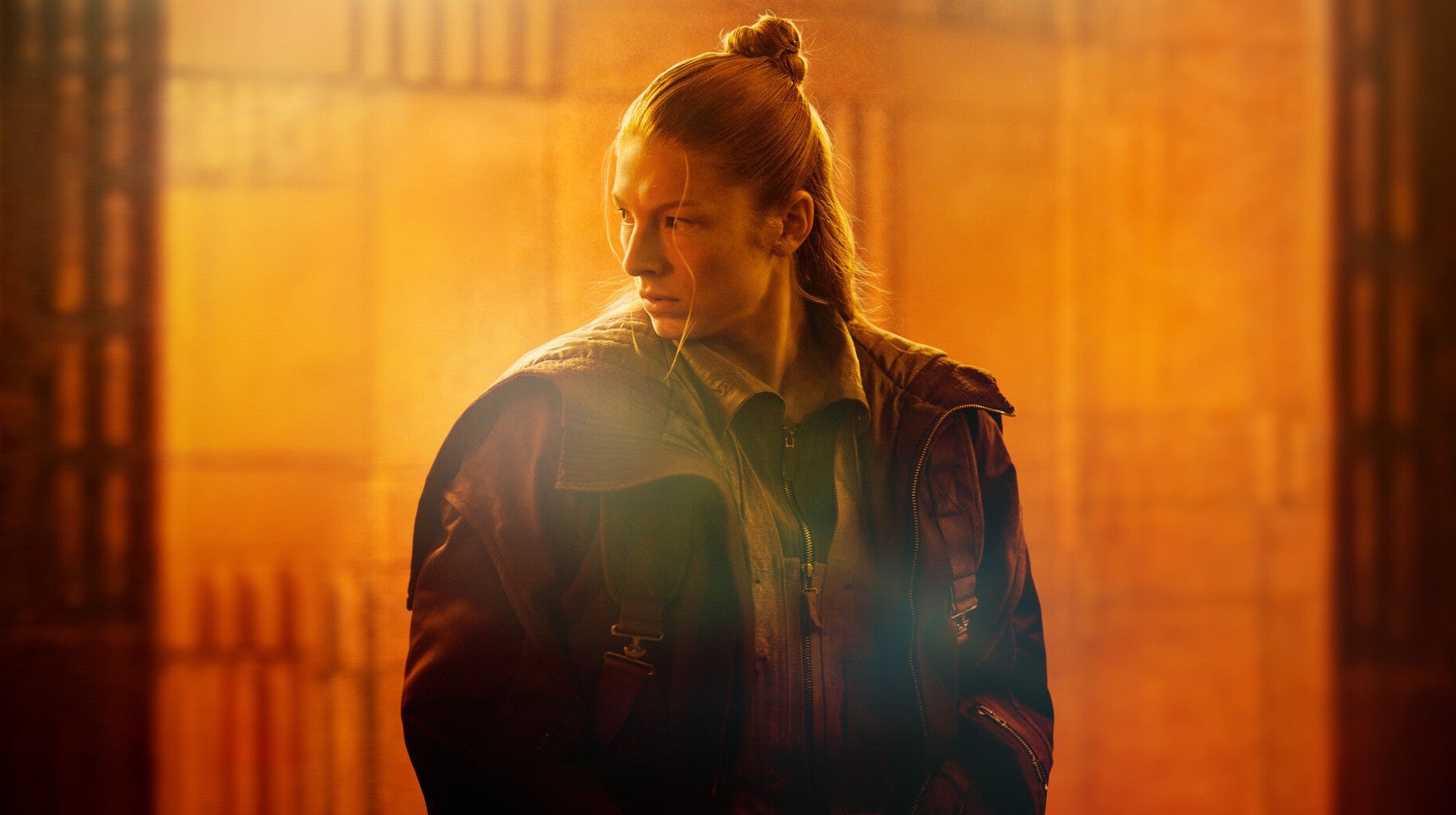
According to recent reporting by IGN, Silka Luisa, the creator, executive producer, and showrunner of Blade Runner 2099, has shed light on the creative decisions driving the new series. Luisa explained why this particular installment serves as the first entry in the broader franchise to include specific references pulled directly from Philip K. Dick's original book.
Philip K. Dick's genre-defining science fiction novel, Do Androids Dream of Electric Sheep?, originally served as the structural foundation upon which director Ridley Scott built the landmark 1982 film. While Scott's cinematic vision introduced audiences to a distinct cyberpunk aesthetic, it diverged from the literary source material in several notable ways. Most significantly, the original motion picture omitted a few central elements from the novel, chief among them the iconic empathy box and protagonist Rick Deckard's intense preoccupation with purchasing a real-life animal to maintain social status.
Why It Matters
For enthusiasts of narrative-driven science fiction and multimedia adaptations, bridging the gap between original literature and screen adaptations remains a delicate task. Understanding how showrunners approach foundational texts helps contextualize creative decisions within major entertainment franchises. By integrating elements from the source material that were previously left out of the cinematic adaptations, Blade Runner 2099 offers a fresh perspective that honors the literary roots established by Philip K. Dick decades ago.
Expanding the Franchise Lore
The incorporation of these literary motifs allows the television production to forge a deeper connection with the underlying themes of the original book. As details continue to emerge regarding the narrative direction of Blade Runner 2099, audiences can anticipate a richer exploration of the post-war future and philosophical dilemmas first envisioned by Dick, expanding far beyond the boundaries set by the original feature films.